


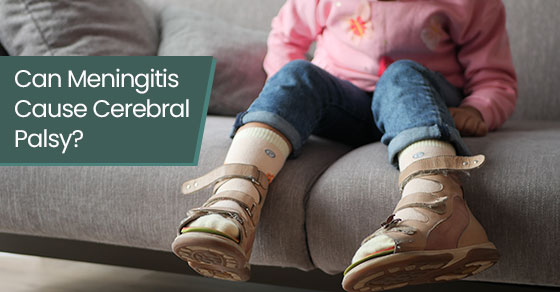
Cerebral palsy is a collective term for a variety of neurological disorders that affect muscle coordination and body movement. Factors such as genetic mutations, fetal stroke, and lack of oxygen during birth have been traditionally cited as primary causes.
However, postnatal causes, including infections like meningitis, can also lead to the development of this condition. Healthcare professionals must be vigilant in identifying and treating meningitis promptly to prevent severe consequences such as cerebral palsy. When medical care falls short, resulting in harm, families may pursue medical malpractice claims.
This article explores the connection between meningitis and cerebral palsy, how this link can sometimes lead to cases of medical malpractice, and when to consider a medical negligence lawyer.
Understanding Meningitis
Meningitis is the inflammation of the meninges, the protective membranes covering the brain and spinal cord. It can be caused by various pathogens, leading to different types of meningitis, each with specific implications for treatment and severity:
- Bacterial meningitis: This is the most severe form, often requiring immediate medical attention. Common bacteria include Streptococcus pneumoniae and Neisseria meningitis.
- Viral meningitis: This is less severe, but still serious, and is often caused by enteroviruses.
- Fungal meningitis: This is less common and typically affects individuals with weakened immune systems.
What is neonatal meningitis?
Neonatal meningitis is an acute infection that affects infants within the first 28 days of life. It is classified into early onset, occurring within 72 hours of birth, and late onset, developing after 72 hours up to 28 days.
The primary bacterial causes are Streptococcus Agalactiae (Group B streptococci) and various Gram-negative bacteria, particularly Escherichia Coli. These infections can be contracted during delivery or shortly thereafter.
Identifying Meningitis in Newborns: Key Symptoms
Early detection and treatment are vital to prevent the progression of meningitis and its severe consequences. Here are key symptoms in newborns and infants to watch for:
- Lethargy or increased irritability
- Noticeable floppiness or lack of muscle tone
- Decreased responsiveness or activity levels
- Abnormal temperature fluctuations
- Irregular breathing patterns, including apnea
- Bulging in the soft spot on the head (fontanel)
- Poor feeding habits
- Rash, either blotchy or spotted
- Seizure activity
Research shows that survivors of bacterial meningitis, especially children, have a higher risk of developing neurological disorders, including cerebral palsy. The severity of the symptoms and the areas of the brain affected by meningitis largely determine the nature and extent of the resulting impairment.
Diagnosing and Treating Meningitis
Early diagnosis and treatment of meningitis are crucial in minimizing the potential for long-term neurological complications, including cerebral palsy. Healthcare professionals typically employ a range of diagnostic tools, including:
- Medical imaging: MRI or CT scans can assess the extent of brain damage.
- Lumbar puncture: This test involves taking a sample of spinal fluid to identify and assess the severity of the infection.
- Neurological assessments: These help determine the presence and extent of brain damage.
The severity and approach to treatment differ based on the underlying cause, but timely medical intervention is crucial in all scenarios. Failure to promptly diagnose meningitis not only exacerbates its morbidity, but also paves the path for legal ramifications in the form of medical malpractice claims.
Cerebral Palsy: An Overview
Cerebral palsy (CP) encompasses various conditions that affect a person’s ability to move and maintain balance and posture. It results from abnormal brain development or damage to the developing brain, which can occur before, during, or shortly after birth.
The manifestations of this damage include difficulties in muscle control, coordination, and balance. The severity and nature of these symptoms can vary widely among individuals, but generally include the following:
- Stiff muscles and exaggerated reflexes
- Lack of balance and muscle coordination
- Jerky, uncontrollable movements
- Using one hand more frequently or dragging a leg while crawling
- Walking on toes, crouching, or having a wide, unsteady gait
- Difficulty with tasks requiring precise movements
- Late milestones in speech
- Challenges in forming words
- Delays in sitting up, crawling, or walking
- Challenges in acquiring new skills
- Cognitive impairments
- Smaller size due to delayed development
- Seizures
- Hearing and vision problems
- Difficulties with sensory perceptions
- Bladder and bowel problems
- Emotional and behavioural issues
Long-Term Outlook for Individuals With Cerebral Palsy Following Meningitis
The long-term effects of cerebral palsy post-meningitis vary widely among individuals. While most children affected by CP, especially those whose condition is linked to meningitis, live well into adult life, they may face challenges such as the following:
- Activity and independence: The degree of disability varies, but many individuals can lead fulfilling, independent lives with appropriate support.
- Physical strain: The condition can cause physical strain over time, leading to secondary musculoskeletal problems like joint pain.
- Educational needs: Many children with CP attend mainstream schools, but some may require specialized educational settings to thrive.
- Emotional well-being: Daily challenges of living with CP can affect emotional health, requiring support for depression or anxiety.
The Nexus Between Meningitis and Cerebral Palsy
Meningitis, particularly its bacterial form, can severely damage the brain through inflammation and swelling. This damage primarily affects areas controlling motor functions, leading to cerebral palsy. Key points include:
Direct Effects of Inflammation
The swelling from meningitis increases intracranial pressure, thus disrupting blood flow and oxygen to the brain. This hypoxia damages motor control regions, resulting in the impairments seen in cerebral palsy.
Secondary Neuronal Damage
Inflammatory responses to meningitis contribute to further neuronal loss and brain tissue scarring. This disruption affects normal motor pathways, enhancing the risk of developing cerebral palsy’s characteristic spastic movements.
Developmental Risks in Infants
The developing brain is especially vulnerable to damage. Inflammation and injuries from meningitis during critical growth phases can severely impact motor skill development, leading to cerebral palsy.
Medical Negligence and Its Consequences
Instances of medical negligence can precipitate infant meningitis, especially during childbirth. Failures in adhering to standard screening and infection control protocols may result in the transmission of pathogens, exacerbating the risk of meningitis development.
In such cases, families affected by medical negligence have the right to pursue legal recourse and consult a medical malpractice lawyer, holding responsible parties accountable for their actions. Key points in these legal actions include:
- Proving negligence: Demonstrating that healthcare providers deviated from the standard of care.
- Linking damage: Showing that this negligence directly led to the child’s condition.
- Seeking compensation: Covering medical expenses, ongoing care costs, and non-economic damages like pain and suffering.
Families should consult with a medical malpractice lawyer who specializes in birth injury cases to navigate these complex legal issues effectively.
Contact Our Experienced Medical Negligence Lawyer Team
If your child has been diagnosed with cerebral palsy and you suspect that medical negligence played a role, it’s crucial to seek the expertise of a medical negligence lawyer.
At Sommers Roth & Elmaleh, our experienced medical malpractice lawyers understand the challenges you face, including the financial burden of medical and other care bills, and we strive to secure the compensation needed to improve your child’s quality of life. Call Sommers Roth Elmaleh at 1-844-940-2386 for a free consultation or contact us here.