


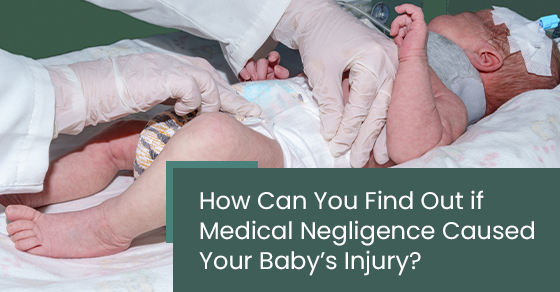
Long after the delivery room quiets down, many parents find themselves replaying the birth in careful detail. This may include a sudden rush of medical staff, urgent instructions exchanged across the room, or a decision for an emergency C-section that seemed to happen within minutes.
Soon after, the newborn is taken to intensive care. Families then try to piece together what happened during those sad moments. Unfortunately, memories alone rarely provide the full explanation.
Understanding the cause of a newborn’s birth injury often requires close review of medical decisions, hospital documents, and expert medical analysis. Most times, a seasoned birth injury lawyer is consulted to uncover how events during pregnancy, labour, or delivery unfolded.
Here is a step-by-step guide that helps unveil if medical negligence caused your baby’s injury:
Step 1: Identify the Medical Event That May Have Caused the Injury
Determining how a newborn’s injury happened begins with identifying the medical event that triggered it. Many birth injuries trace back to a specific complication during labour or delivery. For example:
- Oxygen deprivation during labour can lead to severe neurological harm when intervention arrives too late.
- A delayed Cesarean section may prolong fetal distress.
- Improper use of delivery tools such as forceps or vacuum extractors sometimes results in physical trauma.
- Umbilical cord compression can interrupt the flow of oxygen.
- Shoulder dystocia may place dangerous pressure on the baby’s neck and shoulders during delivery.
- Untreated maternal conditions, including serious infections or high blood pressure disorders, may also contribute to complications that affect the newborn.
Pinpointing the event that likely caused the injury automatically provides investigators with a starting point. It also becomes the foundation used to review a potential medical malpractice case because the origin of the harm must be clear before medical conduct is assessed.
Step 2: Review the Complete Timeline of Labour and Delivery
Once the suspected medical event is identified, attention shifts to reconstructing the full timeline of labour and delivery. Hospitals document a remarkable amount of information during childbirth. For instance:
- Continuous fetal heart monitoring records changes in the baby’s condition throughout labour.
- Nurses chart maternal vital signs, medications administered, and observations made during each stage of delivery.
- Physicians record examinations, diagnostic findings, and treatment decisions.
Even the precise timing of interventions, such as when a physician arrived, when medication was given, or when surgery began, appears within these records.
- A detailed timeline allows experts to trace the progression of events minute by minute.
- Analysts review fetal heart patterns to determine how long the baby experienced distress.
- Nursing notes may reveal when concerns were first raised.
- Physicians’ documentation helps clarify when medical decisions were made and how quickly interventions followed.
It is important to note that delays between warning signs and medical response can become an important focus during review. Families usually consult a birth injury lawyer to obtain these records and evaluate the sequence of care that surrounds the delivery.
Step 3: Analyze Whether Medical Standards of Care Were Followed
Reaching out to a medical malpractice lawyer is the best way to unveil the truth. These experts work with qualified medical experts to find out if the care provided during labour and delivery met the standards in Ontario. If it did not, the findings may contribute to evaluating a medical malpractice case.
However, you should know that complications during birth do not automatically indicate medical negligence. The key issue entails evaluating the medical response against established standards of care.
Obstetric medicine relies on widely recognized clinical guidelines that describe how physicians and hospital staff should respond to various complications. Medical experts then examine the documented events of labour and compare them with these professional expectations.
- Abnormal fetal heart patterns, for example, entail fast recognition and evaluation. Persistent signs of oxygen deprivation call for rapid intervention.
- Delivery tools must be used and only in appropriate circumstances.
- Decisions surrounding C-sections also follow strict medical considerations, including how quickly surgery should begin once fetal distress is identified.
Each of these factors becomes part of the assessment process. If the medical response deviates from required standards and contributes to injury, these findings may serve as evidence of a medical malpractice case.
Step 4: Obtain Independent Medical Expert Opinions
Through a medical malpractice lawyer, you can get coordinated help on expert reviews in a bid to check how the available evidence supports further legal action. Legal investigators depend on these independent specialists because they possess extensive clinical experience in obstetrics and neonatal medicine.
- Obstetrician experts review labour management and delivery.
- Neonatologists analyze the baby’s condition immediately after birth.
- Pediatric neurologists examine signs of neurological injury.
- Maternal-fetal medicine specialists assess complications that develop during pregnancy.
Each expert studies the medical records in detail, often reconstructing the event around the birth. Then, they offer professional opinions regarding how the injury developed and how medical care influenced the outcome.
Step 5: Determine if Injury Is Linked to Long-Term Medical Needs
While not considered a top priority, assessment of the long-term effects of a birth injury is an important part of the investigation process. Many newborns’ injuries involve lasting medical consequences that extend far beyond the delivery room. For example, cerebral palsy (CP) is a neurological condition that may affect movement, coordination, and muscle control throughout childhood and adulthood.
Developmental delays can influence speech, learning, and cognitive development. Physical injuries may require mobility aids, specialized therapies, or ongoing medical care. Understanding these long-term needs helps clarify the full impact of the injury on the child’s life.
In this regard, pediatric specialists, rehabilitation professionals, and life-care planners contribute to the assessment. Their evaluations outline future medical treatment, therapy needs, educational support, and adaptive equipment that may be necessary.
A birth injury lawyer checks this information. The severity of the child’s long-term needs is factored in to decide if a medical malpractice case will be pursued.
Contact Sommers Roth & Elmaleh for an Expert Birth Injury Lawyer
Hospitals document nearly every moment of labour and delivery. For families trying to understand how a birth injury happened, those records contain the most important clues.
Sommers Roth & Elmaleh focuses on reviewing these complex medical histories in birth injury and medical negligence matters across Ontario. Our birth injury lawyer team studies documentation and works with required practitioners to get professional insight that could serve as evidence used to uncover medical negligence.
Enough pain and hurt has gone on for too long. Now is the time to know the truth. If you need clarity about events surrounding a birth injury, talk to us today. Call us at 1-844-940-2386 or reach out online to uncover facts that may explain what happened.
Families will find out if the care provided was aligned with accepted medical standards or not, and will better understand the available legal options for justice and care costs.